The words were simple.
“Not guilty.”
But the case surrounding those two words is anything but simple.
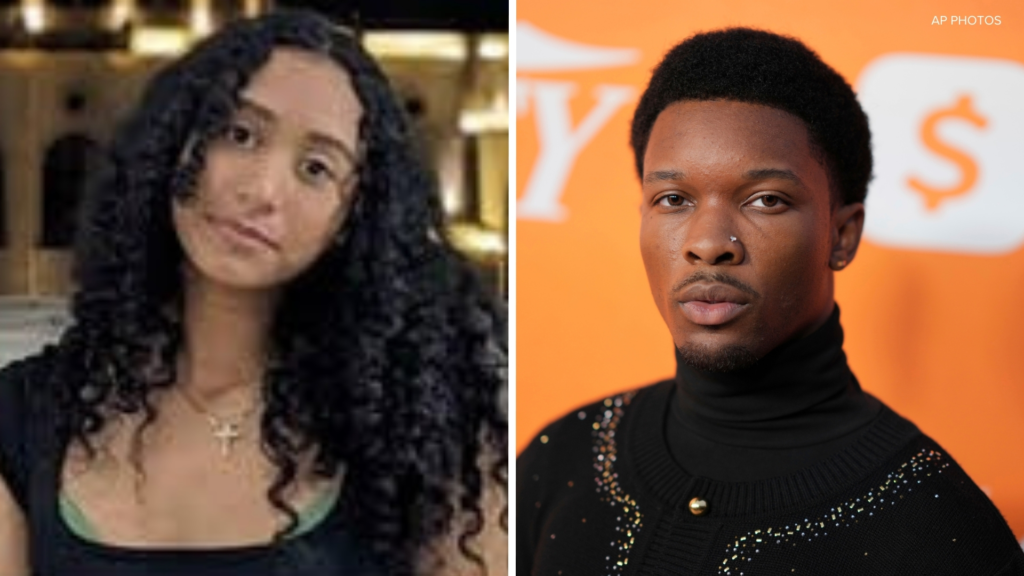
David Burke formally entered a plea of not guilty this week in connection with the death of Celeste Rivera Hernandez, setting the stage for what could become one of the most closely watched criminal cases in California this year.
And almost immediately, the courtroom battle shifted from guilt or innocence to something else entirely:
Who gets access to the evidence?
And when?
Defense Says: Bring Everything Into The Light
Burke’s attorneys wasted little time making their position clear.
According to defense counsel, months of secret grand jury proceedings have kept critical information hidden from public view, and they are pushing for an open preliminary hearing as quickly as possible.
The defense argued that the evidence will ultimately show Burke neither murdered Celeste Rivera Hernandez nor caused her death.
Their message to the court was direct:
Let’s put the evidence on the table.
Let’s do it publicly.
And let’s do it quickly.
Prosecutors Say The Case Is Bigger Than It Looks
The District Attorney’s office didn’t exactly sound worried.
Prosecutors told the court they are prepared to present the evidence collected over several months of investigation and pointed to the sheer size of the case file itself.
How large?
Approximately 40 terabytes of discovery materials.
For context, that’s enough data to hold millions of documents, images, videos, and investigative files.
That’s not a typo.
Forty terabytes.
Which immediately raises another question:
What exactly is in all of that evidence?
The Fight Over Sealed Records
One of the biggest moments during the arraignment came when attorneys sparred over access to the coroner’s report and other investigative materials.
Defense attorneys argued they had received very little information about the case despite prosecutors publicly discussing aspects of the investigation during a press conference earlier that same day.
Prosecutors responded that several key records had been sealed to protect the integrity of witness testimony during grand jury proceedings and that court orders would be required before some materials could be released.
Eventually, the judge ordered the medical examiner to release the report to the defense.
Why Cases Like This Capture Public Attention
For many people watching from the outside, criminal cases often become less about legal terminology and more about transparency.
People want answers.
People want timelines.
People want evidence.
And in the social media era, people want it immediately.
But courtrooms don’t move at internet speed.
They move at courtroom speed.
Slow.
Methodical.
Frustratingly slow sometimes.
And that gap between public curiosity and legal procedure is often where speculation begins to grow.
What Happens Next?
The case is now moving toward a preliminary hearing scheduled for April 23, where the public could get its first meaningful look at the evidence prosecutors say they have collected.
Until then, both sides appear ready for a long fight.
The prosecution says they have the evidence.
The defense says the evidence will clear their client.
Now the court — and eventually a jury — will decide which story holds up.
Watch The Full Video Above And Join The Conversation
The full courtroom footage and discussion are embedded above if you’d like to hear the arguments directly and follow the case as it unfolds.
Do you believe high-profile cases should rely on secret grand jury proceedings?
Should evidence be released earlier in cases that attract public attention?
And does public opinion help or hurt the pursuit of justice?
Join the conversation below.
Join The Black Link Community
Stay connected with Black Link Magazine for celebrity news, courtroom coverage, cultural commentary, and stories that matter to our community.
Got A Story To Share?
Have you witnessed a court case that divided your community?
Do you have a local story, issue, or event that deserves attention?
Know someone making a difference where you live?
Submit your story to Black Link Magazine
Because sometimes the stories shaping our communities never make the evening news.